


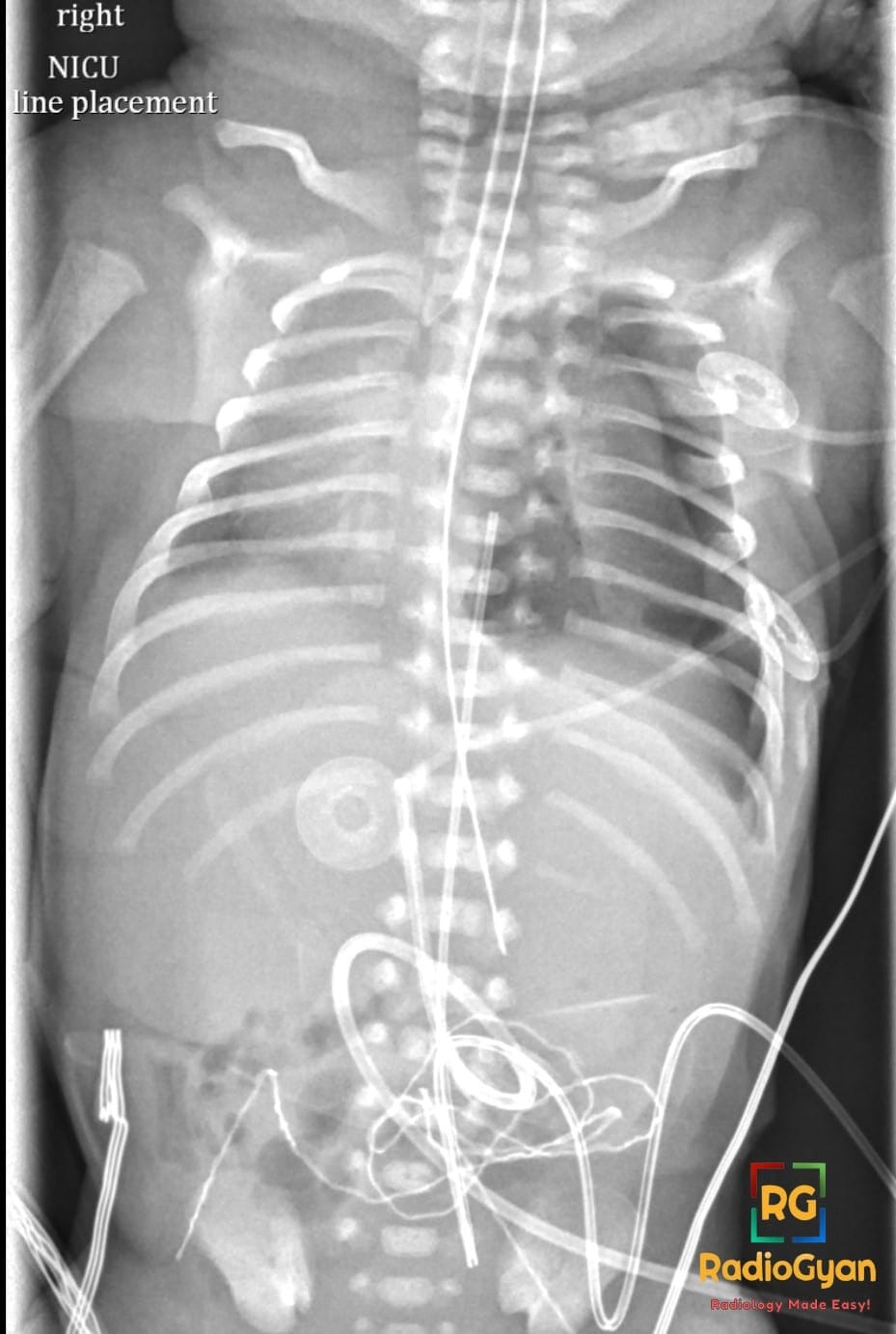
What causes the deep sulcus sign on a supine chest radiograph?
Let me know in the comments.
Click to reveal the answer
Answer:
The deep sulcus sign is an abnormally deep, lucent lateral costophrenic angle on a supine or semi-erect chest radiograph, and is often the only clue to an occult pneumothorax. In a supine patient pleural air does not collect at the apex, so the classic visceral pleural line and apical lucency are absent; instead the air rises to the least dependent part of the hemithorax, which is anterior and basal. It tracks laterally and inferiorly into the costophrenic recess, which appears deepened, unusually radiolucent and extends further caudally than the contralateral sulcus, sometimes reaching towards the upper abdomen. Associated findings include a sharply outlined hemidiaphragm, increased lucency over the upper abdomen, and a visible anterior costophrenic recess. The sign matters most in the intensive care and trauma setting, where supine films are the norm and an unrecognised pneumothorax may progress to tension physiology under positive-pressure ventilation.
Why is it called so?
The costophrenic sulcus on the affected side is pushed abnormally deep and dark by the pleural air occupying it, standing out against the shallower normal sulcus opposite.
Pathophysiology
Air entering the pleural space distributes according to gravity and buoyancy. With the patient supine, the anterior and basal pleural space becomes the least dependent region, so air collects there rather than at the apex. As the volume increases, the air displaces the lung medially and extends into the lateral costophrenic recess, replacing the soft-tissue density that normally fills it and lowering its apparent floor. The result is a deep, lucent sulcus with a crisply defined diaphragm, without the visceral pleural line that makes an erect pneumothorax obvious.
Alternative names: None
Other associated named signs: Double diaphragm sign, continuous diaphragm sign, and the deep sulcus counterpart in pneumoperitoneum, the cupola sign
References
Access all radiology signs posted so far: https://radiogyan.com/radiology-signs/

Improve Content And Help Your Colleagues!
Found an error in the post? Please let us know using our contact page and we will update it with due credits!
If you wish to contribute radiological images for this case (or any other article on the website), you can submit them here and you will be duly credited: Submit radiology case